Blackjack Moves to Mobile Devices and Reshapes Live Dealer Formats
Quinn Friedrich · Sep 18, 2026

Blackjack Moves to Mobile Devices and Reshapes Live Dealer Formats
Blackjack transitioned from desktop sites to smartphone applications over the past decade as mobile hardware improved and network speeds increased. Data from the Nevada Gaming Control Board shows mobile devices accounted for over 60 percent of online blackjack activity in recent reporting periods. This change occurred because players accessed games through dedicated apps and responsive websites that adjusted layouts for smaller screens while maintaining core rules like hitting, standing, and splitting pairs.
Key Drivers Behind the Mobile Shift
Developers optimized blackjack interfaces for touch controls, replacing mouse clicks with taps and swipes that handle card draws and betting amounts. Operating systems from major providers incorporated better graphics processors, which allowed smoother animations for card flips and chip movements without lag. Network infrastructure upgrades, including wider 5G coverage, reduced latency during gameplay sessions that previously suffered on older connections.
Regulatory frameworks adapted alongside these technical changes. Licensing bodies in multiple jurisdictions reviewed mobile platforms for fairness testing, and operators responded by submitting apps for certification before public release. Figures from the New Jersey Division of Gaming Enforcement indicate steady growth in mobile blackjack sessions after initial approvals, with participation rising each quarter as more users downloaded compliant software.
Live Dealer Adjustments for Smartphone Users
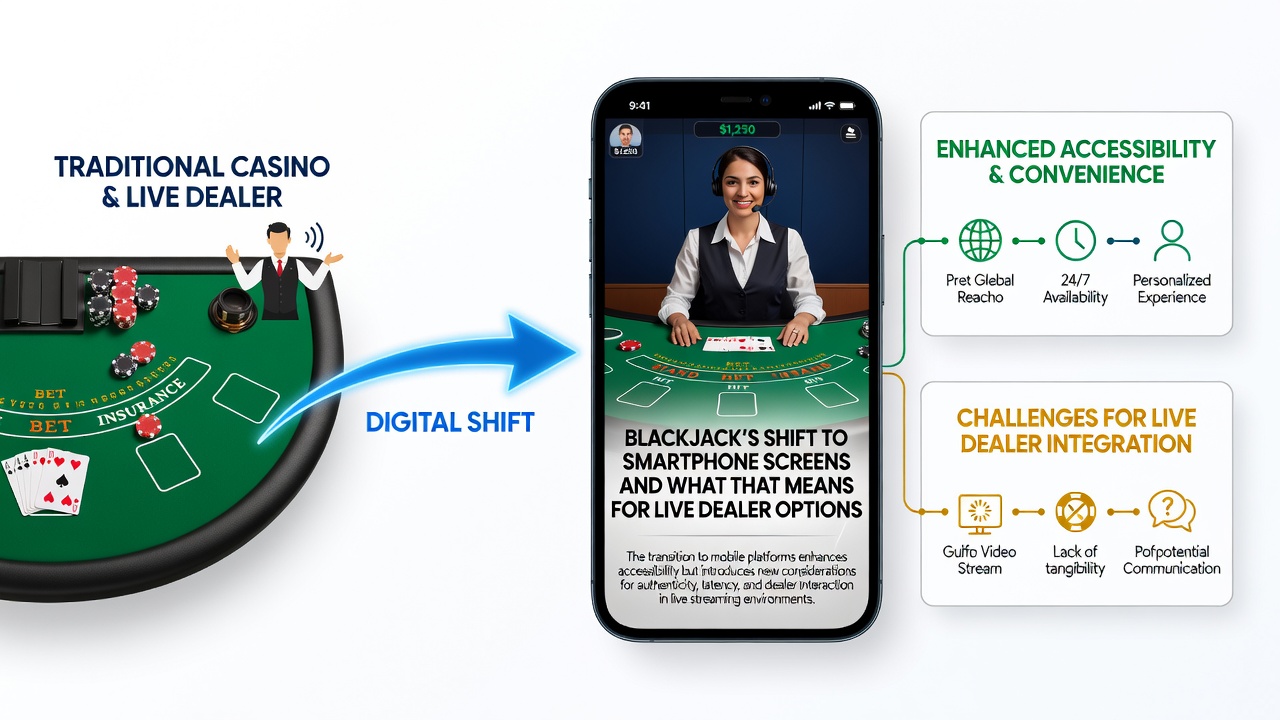
Live dealer blackjack required specific modifications once mobile traffic grew. Studios installed additional camera angles that captured table action from overhead and side views suitable for vertical phone orientations. Streaming quality adjusted automatically based on device detection, delivering lower bitrates to users on limited data plans while preserving higher resolution for those on strong connections.
Dealers received training on pacing that accounted for smaller screens, slowing certain actions like chip payouts to ensure visibility. Software overlays appeared on player devices to show real-time totals and betting options without obscuring the video feed. These elements combined to keep the live experience intact even when accessed through handheld hardware rather than larger monitors.
Technical Features Supporting Mobile Live Play
Multi-camera setups in live studios fed into content delivery networks that prioritized mobile delivery paths. Apps integrated chat functions that let players communicate with dealers through text rather than voice, reducing audio processing demands on phones. Touch-based betting interfaces allowed quick selections for side wagers or insurance options that appeared during rounds.
Security protocols updated to handle mobile-specific risks. Encryption standards applied to data streams between phones and casino servers, while device fingerprinting helped verify legitimate users. Reports from the Malta Gaming Authority highlight increased audits focused on mobile live dealer integrity after initial deployments showed vulnerabilities in early versions.
Player Behavior Patterns and Platform Responses
Analytics revealed that mobile blackjack sessions tended toward shorter durations compared with desktop play, prompting operators to introduce quicker round timers in live formats. Push notifications alerted users to table openings or bonus rounds, increasing return visits without requiring constant app monitoring. Observers note that these patterns influenced how studios scheduled dealer shifts to match peak mobile usage times across different time zones.
Integration with device features expanded options further. Some platforms incorporated biometric login methods that sped up access to live tables while maintaining account security. Landscape and portrait mode switching occurred seamlessly during sessions, preserving card visibility when players rotated their phones mid-hand.
Developments Anticipated by September 2026
Industry projections point to continued refinement of mobile live dealer streams by September 2026. Higher resolution cameras and improved compression algorithms should support sharper video on mid-range smartphones without raising data consumption. Regulatory updates in various regions may standardize testing requirements for mobile live systems, reducing approval timelines for new table additions.
Cross-platform compatibility efforts aim to let players move between devices during active sessions while retaining seat positions at live tables. Research from gaming technology institutes suggests augmented reality overlays could appear on mobile screens to display dealer hand probabilities without altering core gameplay rules.
Conclusion
The migration of blackjack to smartphones prompted measurable adaptations in live dealer operations across technical, regulatory, and operational areas. Statistics from multiple oversight bodies document rising mobile participation, while studios implemented targeted changes to maintain engagement through phone-based access. These shifts continue to evolve as hardware and connectivity standards advance.