Mobile Blackjack's Path from Free Practice to Live Tables: Integrating Variants and Bonus Structures
Quinn Friedrich · Nov 13, 2026
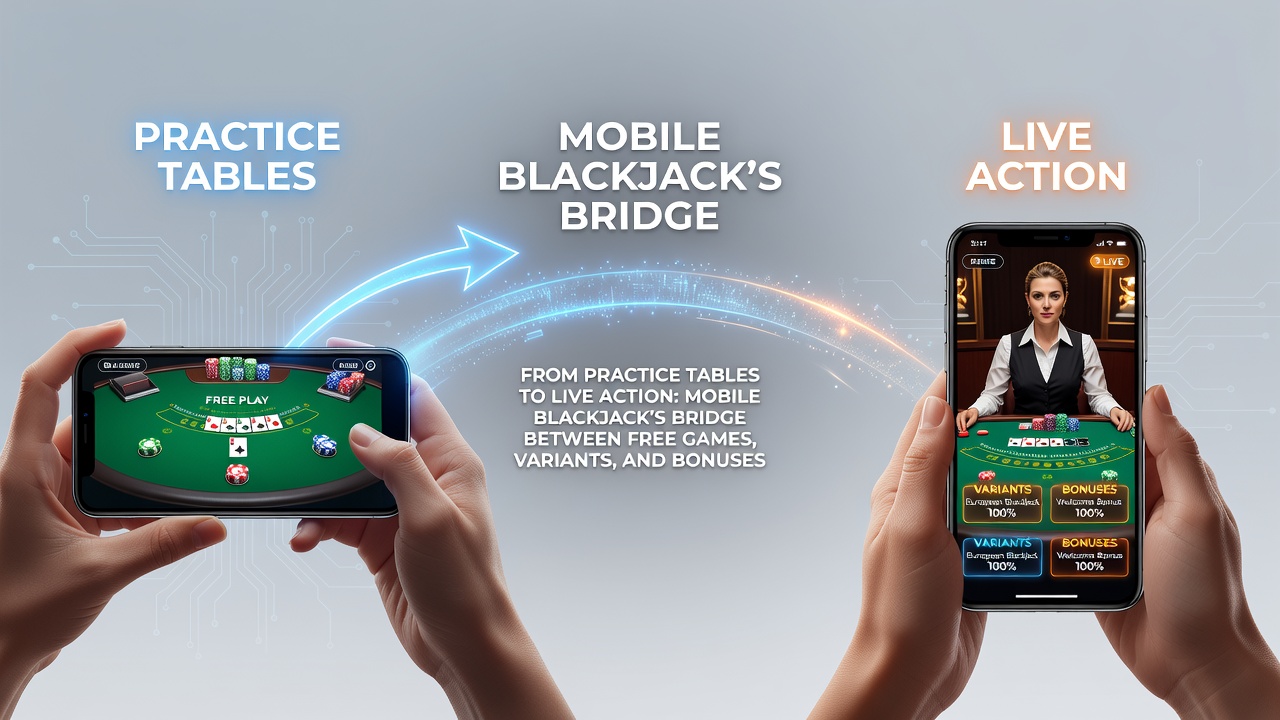
Mobile Blackjack's Path from Free Practice to Live Tables: Integrating Variants and Bonus Structures
Players encounter mobile blackjack through free practice tables that replicate core mechanics without financial stakes, and these modes serve as entry points before users move into live action environments where real wagers occur. Developers design these practice versions to mirror payout structures and rules found in paid variants, which allows seamless shifts once accounts verify and funding completes. Data from industry reports shows mobile platforms account for over 60 percent of blackjack sessions in regulated markets as of late 2025, with projections indicating continued growth into November 2026 when several North American jurisdictions plan expanded licensing for online table games.
Practice Modes as Entry Mechanisms
Free games on mobile applications replicate standard blackjack rules including card values, dealer actions, and payout ratios while eliminating monetary risk, and users often spend initial sessions learning hand signals or interface controls through repeated play. Observers note that these modes frequently include tutorial overlays that highlight decisions such as hitting on soft 17 or splitting pairs, yet the same interfaces carry over directly when players activate real-money options. Research indicates that operators track completion rates of practice rounds as predictors of conversion to funded accounts, with conversion figures reaching 25 to 35 percent in markets tracked by the Nevada Gaming Control Board.
Variants That Facilitate Transition
Mobile applications offer multiple blackjack variants such as European blackjack, Spanish 21, and Double Exposure, each presenting distinct rule sets that practice modes introduce gradually. European blackjack restricts dealer peek on ten-value upcards while Spanish 21 removes all tens from the deck and adds bonus payouts for specific hands, and developers embed these differences into free versions so players recognize payout adjustments before committing funds. Those who study user behavior report that variant selection increases after the first funded deposit, because bonus structures often tie promotional credits to specific game types rather than standard rules.
Bonus Structures Linking Free and Live Play
Welcome bonuses and deposit matches frequently require initial play in free modes before unlocking, which creates a documented pathway from no-stakes tables to live dealer streams. Match bonuses apply percentage credits to first deposits while free spin or chip offers appear in practice interfaces to encourage account registration, and wagering requirements specify contribution percentages from blackjack hands toward clearance. Figures from the Australian Communications and Media Authority reveal that bonus-related play constitutes nearly 40 percent of mobile blackjack volume in that region, with similar patterns emerging in Canadian provincial data during 2025.
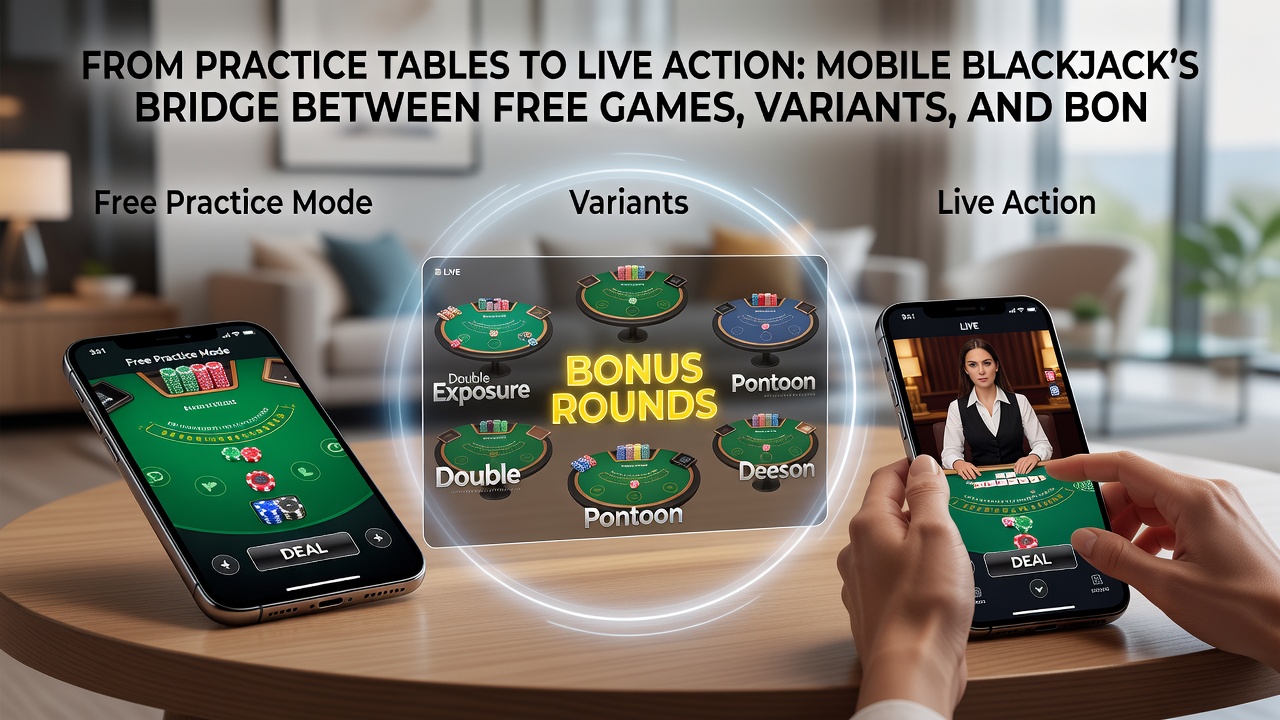
Live action features integrate these elements through real-time video streams where dealers handle physical cards, and mobile users access the same variant menus plus active bonus trackers that update after each resolved hand. Operators maintain separate balance displays for bonus funds versus cash, which prevents accidental use of restricted credits on ineligible variants. Studies published in the Journal of Gambling Studies document that players who complete at least 50 practice hands before live sessions show higher retention rates across the first month of real-money activity.
Regulatory Context in Expanding Markets
November 2026 marks scheduled updates in several U.S. states and Canadian provinces where mobile blackjack licensing expands to include additional live dealer providers, and these changes coincide with new technical standards for practice-to-live handoff processes. Regulatory bodies such as the New Jersey Division of Gaming Enforcement require operators to maintain identical random number generator certification between free and paid modes, which ensures consistent outcome probabilities during transitions. Industry associations including the American Gaming Association compile quarterly reports that track mobile blackjack handle and note correlations between bonus utilization and session length.
Technical Integration on Mobile Platforms
Applications employ unified game engines that switch between demo and real-money modes without reloading assets, and this design reduces friction when users decide to fund accounts mid-session. Push notifications alert practice users to time-limited bonuses that activate only after deposit, while variant filters allow sorting by house edge or volatility metrics derived from published rules. Data collected across platforms shows average time spent in free modes before first deposit ranges from 12 to 18 minutes, with longer practice correlating to selection of lower-volatility variants once live play begins.
Conclusion
Mobile blackjack connects free practice tables to live dealer environments through shared rules, variant options, and layered bonus mechanics that operators align across both modes. Regulatory developments scheduled for November 2026 will likely standardize these connections further in additional jurisdictions, while existing data from multiple oversight bodies already documents measurable pathways from no-stakes play to funded sessions. The structure remains consistent across regions because technical requirements and promotional designs converge around the same core elements of rules familiarity, variant exposure, and incentive activation.